I. The Piton Falls Visual Identity: A Photographer’s Overview
Piton Falls presents a specific aesthetic challenge and opportunity, characterized by the sharp contrast between dark basaltic volcanic rock and the vivid, high-saturation mineral deposits left by geothermal activity. Unlike the more common clear-water cascades found in the northern part of the island, these falls feature a 30-foot vertical drop that feeds into a series of three man-made concrete basins. This architecture facilitates a tiered pool system where the water temperature fluctuates according to the proximity to the source. From a visual standpoint, the “Official” look of the site is defined by deep rainforest greens, the deep orange of oxidized iron, and the ethereal quality of rising steam during the cooler morning hours or throughout the rainy season from June to November.
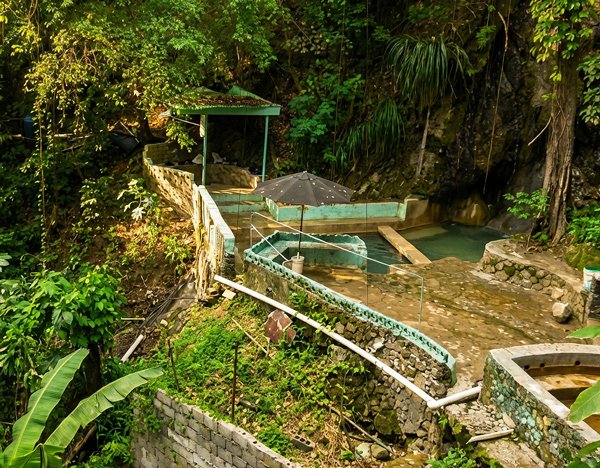
For those documenting the Therapeutic Mineral Waters, the primary subject is often the water’s path. The liquid originates from the Soufrière Volcanic Complex, a collapsed caldera, and remains clear because it undergoes natural filtration through layers of volcanic ash and basalt before emerging in the Belle Vue district. When capturing this environment, photographers must contend with the high humidity of the canopy and the specific mineral pigmentation that can confuse standard camera sensors. To get the most out of a visit, many professionals opt for a customized private island tour, which allows for extended tripod setup time that standard group excursions rarely permit.
II. Timing Your Shoot: The 10:00 AM “Golden Window”
Lighting at Piton Falls is dictated by its geographical position. The site is nestled in a deep valley at the base of the 2,438-foot peak of Petit Piton. This topographical feature creates a “lighting canyon” where the sun does not reach the valley floor until mid-morning and disappears behind the ridge by early afternoon. For photographers, this means the window for direct, overhead light is remarkably narrow compared to other coastal attractions in St. Lucia. Arriving too early results in a heavy blue cast from the deep shade, while arriving after 1:00 PM creates harsh, unusable silhouettes as the sun moves behind the mountain peak.
| Time Window | Lighting Condition | Photographic Effect |
|---|---|---|
| 08:00 AM – 10:00 AM | Soft Canopy Light | Low contrast, ideal for long-exposure water blurs. |
| 10:00 AM – 11:30 AM | The Golden Window | Direct overhead light illuminating the mineral colors. |
| 11:30 AM – 1:00 PM | High Contrast | Harsh vertical shadows; requires ND filters. |
| 01:00 PM – 04:00 PM | Deep Valley Shade | Natural silhouettes and moody, low-light rainforest tones. |
The “Golden Window” occurs between 10:00 AM and 11:30 AM. During this period, the sun is high enough to penetrate the Belle Vue District canopy, saturating the orange rock faces and the lush ferns surrounding the basins. This is the only time of day when the “Volcanic Amber” texture of the wet rock truly glows. To ensure you arrive during this window, it is advisable to review the transportation guide to account for the winding roads of Soufrière, which can add significant travel time from northern hotels.
III. Capturing the Mineral Palette: Iron and Manganese Pigmentation
Oxidation Aesthetics
One of the most frequent misconceptions about Piton Falls is that the distinctive rust-colored staining on the rock face is caused by organic algae growth. In reality, these colors are the result of chemical oxidation. The thermal water is rich in iron and manganese; as the water hits the air and flows over the rocks, these minerals oxidize, leaving behind a permanent “rusty” stain. Capturing this requires a focus on color accuracy. If your camera is set to Auto White Balance, it may attempt to “correct” these warm tones, resulting in a washed-out, greyish image. For more information on the geological origins of these minerals, you can consult the Soufriere Regional Development Foundation [Official Website].
Color Balance Tips
To preserve the warmth of the volcanic water, switch your camera to a “Cloudy” preset or a manual Kelvin setting between 5500K and 6000K. This prevents the lush greens of the Heliconia caribaea (Caribbean Lobster Claw) from appearing unnaturally blue in the shaded areas of the falls. If you are joining a combined land and sea excursion, remember that the transition from the bright, reflective Caribbean Sea to the dark, absorbent rainforest canopy will require a significant ISO adjustment—often jumping from ISO 100 to ISO 800 or higher to maintain a handheld shutter speed.
The interplay of rising mist and the 30-foot drop creates a soft-focus atmosphere that no lens filter can truly replicate. It is nature’s own diffusion.
Piton Falls Media Guide
IV. The Three-Tiered Composition: Temperature and Steam
The physical layout of Piton Falls consists of three distinct basins, each offering a different compositional value based on its temperature and steam production. The uppermost pool is the warmest, maintained at approximately 35°C (95°F). This tier is the primary source of the “mystical” rainforest aesthetic, as the temperature differential between the warm water and the humid air creates a visible steam layer. This effect is most pronounced during the rainy season. When framing shots here, focus on the initial descent of the falls to capture the movement of the water as it hits the surface.
As the water moves to the lower basins, it cools to between 30°C and 32°C (86°F–90°F). These lower pools are better suited for lifestyle photography and wide-angle shots of visitors soaking. However, photographers should note that each basin has a maximum comfortable capacity of only 6 persons. To capture the pools without crowds, early arrival is mandatory. If you are planning a more extensive shoot involving multiple locations, you can integrate this stop into a Soufrière Waterfall Circuit, moving from Piton Falls to the nearby Superman Falls for a variety of water textures and heights.
V. Macro Perspectives: Textures and Endemic Wildlife
Beyond the wide-angle landscape, the falls offer significant opportunities for macro photography. The wet volcanic rock directly under the 30-foot drop features distinctive amber-hued mineral deposits. Under the right light, the mineral-rich water creates a glossy, translucent coating over the basalt that reflects light in intricate patterns. Using a macro lens here reveals the smooth, water-carved channels created by centuries of mineral-rich flow. The adjacent Petit Piton is also the sole habitat of the Juniperus barbadensis (St. Lucia Juniper), a critically endangered tree with fewer than 50 specimens remaining near the summit, though these rare conifers are generally too high up to be spotted from the falls.
Avian subjects are also a highlight for patient photographers. The St. Lucia Pewee (Contopus oberi), an endemic bird, frequently perches on low branches near the splashing water to catch insects stirred by the waterfall’s spray. For birding and botanical specifics, the Saint Lucia National Trust [Official Website] provides resources on the protected species within the UNESCO Management Area that encompasses the falls. If you are lucky enough to encounter the local caretakers, they are known to point out specific “hidden” angles where the light hits the vibrant tropical flora, such as the Heliconia psittacorum, most effectively.
VI. Vantage Points & Location
Finding the perfect angle requires a short descent from the entrance gate. The path is paved but steep, winding through lush vegetation. While the famous “Stairway to Heaven” views are found at the nearby Tet Paul Nature Trail, the descent to Piton Falls offers its own charm. As you reach the clearing, the rainforest canopy opens to reveal the warm mineral pools and the cascading water. This is a high-contrast shot that often requires HDR bracketing to balance the bright sky with the dark forest floor.
After completing a morning shoot, many photographers head to Martha’s Tables [Official Website], located just 300m down the road from the falls’ turnoff. It is the premier spot to photograph and taste the national dish, Green Fig and Saltfish, in an authentic setting (open for lunch Monday–Friday). Remember that the entrance fee at the Belle Vue gate is strictly cash-only, fixed at $7.50 XCD ($3.00 USD), so ensure your gear bag includes small denominations of local currency. For a complete list of what to bring, including lens cleaning kits for the high-mist environment, refer to the Plan Your Visit guide.
External Photography Resources
For more information on the geography, conservation, and current weather conditions of the area, visit these resources:
- St. Lucia Tourism Authority [Official Website]
- Soufriere Regional Development Foundation [Official Website]
- Saint Lucia National Trust [Official Website]
- AccuWeather Soufrière – Lighting Conditions [Weather Forecast]
Ready to Capture the Falls?
Plan your arrival during the Golden Window for the best lighting and to avoid crowds. Since standard itineraries often visit Toraille instead, you can experience these warm falls as part of a St Lucia Customize Private Island Tour or view all Tickets & Tours to find the right pace for your photography needs.