A Guide to Soufrière Highlights
Soufrière is the atmospheric soul of Saint Lucia, where the island’s colonial past meets its most dramatic volcanic geography. As the former French capital established in 1746, the town retains an old-world charm defined by narrow streets, vibrant “gingerbread” architecture, and a local pace that feels worlds away from the northern resort hubs. It is a place where the scent of sea salt mingles with the faint aroma of sulfur from the nearby caldera, creating a sensory experience that is both grounded and otherworldly. The town served as the island’s administrative center until 1803, when the British relocated the capital to Castries, yet it remains the undisputed cultural and geographical heart of the south.
“Soufrière offers an authentic immersion into St. Lucian life, from the bustling Saturday morning markets to the tranquil, mineral-rich waters of the surrounding rainforest.”
Visitors here find themselves at the base of the majestic Pitons, a UNESCO World Heritage site that dominates every skyline. The Pitons Management Area (PMA) celebrated its 20th anniversary of UNESCO inscription in 2024, a milestone that underscores the global significance of this volcanic landscape. It is the ultimate gateway for travelers who prefer natural wonders and historical depth over manicured luxury, serving as the perfect base for exploring the therapeutic mineral waters of the region. The town is physically situated within the Qualibou Caldera, a 3.5-by-5-kilometer collapsed volcanic center that saw its last phreatic (steam) eruption in 1766.
Category 1: Natural Wonders & Coastal Escapes
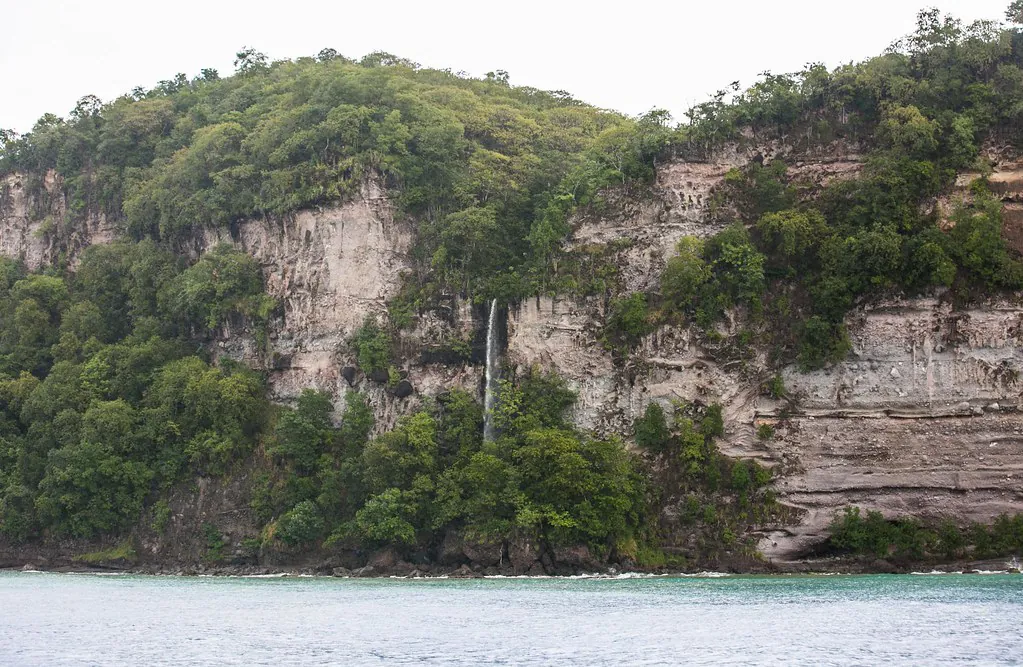
Piton Falls & Thermal Springs
Located on the road to the Jalousie Plantation near the base of Petit Piton, Piton Falls offer a “natural massage” under a stream of thermal mineral water. Unlike the intense heat of the Sulphur Springs mud baths, which often exceed 45°C (113°F), the water at Piton Falls maintains a consistent temperature between 32°C and 35°C (90°F–95°F). This temperature range allows for extended soaking without the physical strain of extreme heat, making it a preferred site for wellness seekers. For those on a tight schedule, this stop is a cornerstone of the Soufrière waterfall circuit.
The falls are reached via a short walk through a managed forest path. The site features three primary pools of varying depths, all fed by the same geothermal source that filters through the volcanic rock of the Pitons. The mineral composition is high in sulfur, iron, and magnesium, which contributes to the “slippery” feel of the water and its purported skin-healing properties. Many travelers choose to combine this visit with a broader Sulphur Springs and Diamond Mineral Baths adventure to compare the different thermal experiences available in the caldera.
- Best for: Therapeutic recovery and rainforest photography.
- Pro Tip: Visit before 10:00 AM to avoid the peak humidity of the afternoon canopy.
Malgretoute Beach
Situated at the base of Petit Piton, Malgretoute Beach is a pebble-and-sand stretch that offers one of the most direct views of the volcanic spire from sea level. It is a significant site for snorkelers because the underwater terrain mirrors the dramatic verticality of the peaks above. The sea floor drops off quickly into deep shelves where vibrant coral colonies and reef fish congregate along the volcanic boulders. Because it is less frequented than Sugar Beach, it retains a rugged, unpolished atmosphere suitable for those seeking a quiet coastal escape.
Access to Malgretoute is via a small, unpaved road branching off near the entrance to Piton Falls. While the beach itself is public, the road can be challenging for standard rental vehicles; many visitors prefer to arrive via a water taxi from Soufrière. Alternatively, a full-day catamaran sightseeing cruise often includes snorkeling stops along this specific coastline. The proximity to the Piton Falls entrance makes it possible to transition from a warm mineral soak to a salt-water swim in under fifteen minutes, provided you have arranged reliable local transport.
Category 2: Historical & Cultural Heart
Colonial Architecture & The Town Square
The town’s history as a former capital is visible in its unique “gingerbread” houses, characterized by intricate French Colonial fretwork. The Old Courthouse and the buildings surrounding the recently renovated Soufrière Square serve as the best examples of this 18th-century influence. The square itself underwent a major infrastructure upgrade in 2019, introducing stone paving and modern lighting that has transformed the waterfront into a hub for evening social activity. It is the town’s architectural anchor, reflecting a blend of French design and Caribbean utility.
The Church of Our Lady of the Assumption stands as a prominent landmark with its distinctive blue and white façade. The current structure was completed in 1953, following a series of natural disasters including the Great Fire of 1955 and a major hurricane. For visitors interested in the preservation of these sites, the Saint Lucia National Trust provides resources on the ongoing efforts to protect the town’s heritage. Exploring the square is best done on foot to appreciate the wood-carved details that define the local aesthetic.
The Soufrière Public Market is most active on Saturday mornings from 06:00 to 10:00. This is the best time to purchase authentic St. Lucian Cocoa Sticks and freshly ground nutmeg directly from local producers.
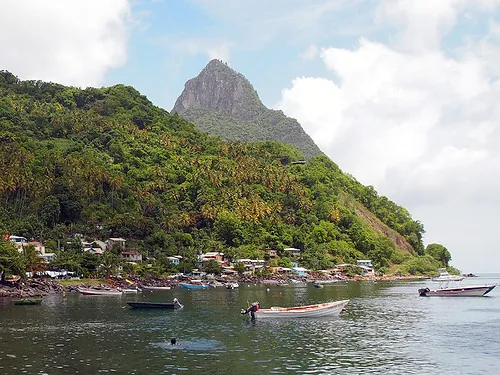
The Cocoa Belt & Rabot Estate
Soufrière lies at the center of St. Lucia’s “Cocoa Belt,” a region with high-nutrient volcanic soil ideal for cacao cultivation. The Rabot Estate, currently operated by Hotel Chocolat, is the oldest working cocoa plantation on the island, with roots dating back to 1745. The estate provides a technical look at the “bean-to-bar” process, which has seen a massive resurgence in the local economy over the last decade. Visitors can walk through the groves to see how the pods are harvested and fermented, a process that has remained largely unchanged for centuries.
Beyond the agricultural aspect, the estate offers a culinary perspective on the region’s history. Cacao was once the primary export of Soufrière, and its influence persists in local recipes and daily rituals. To experience this cultural fusion, travelers often book a St. Lucia Food and Rum Tour, which highlights the intersection of the island’s colonial plantation history and its modern gastronomic scene. The high elevation of the Rabot Estate also provides a unique vantage point of the Petit Piton from the north.
Category 3: The UNESCO Gateway
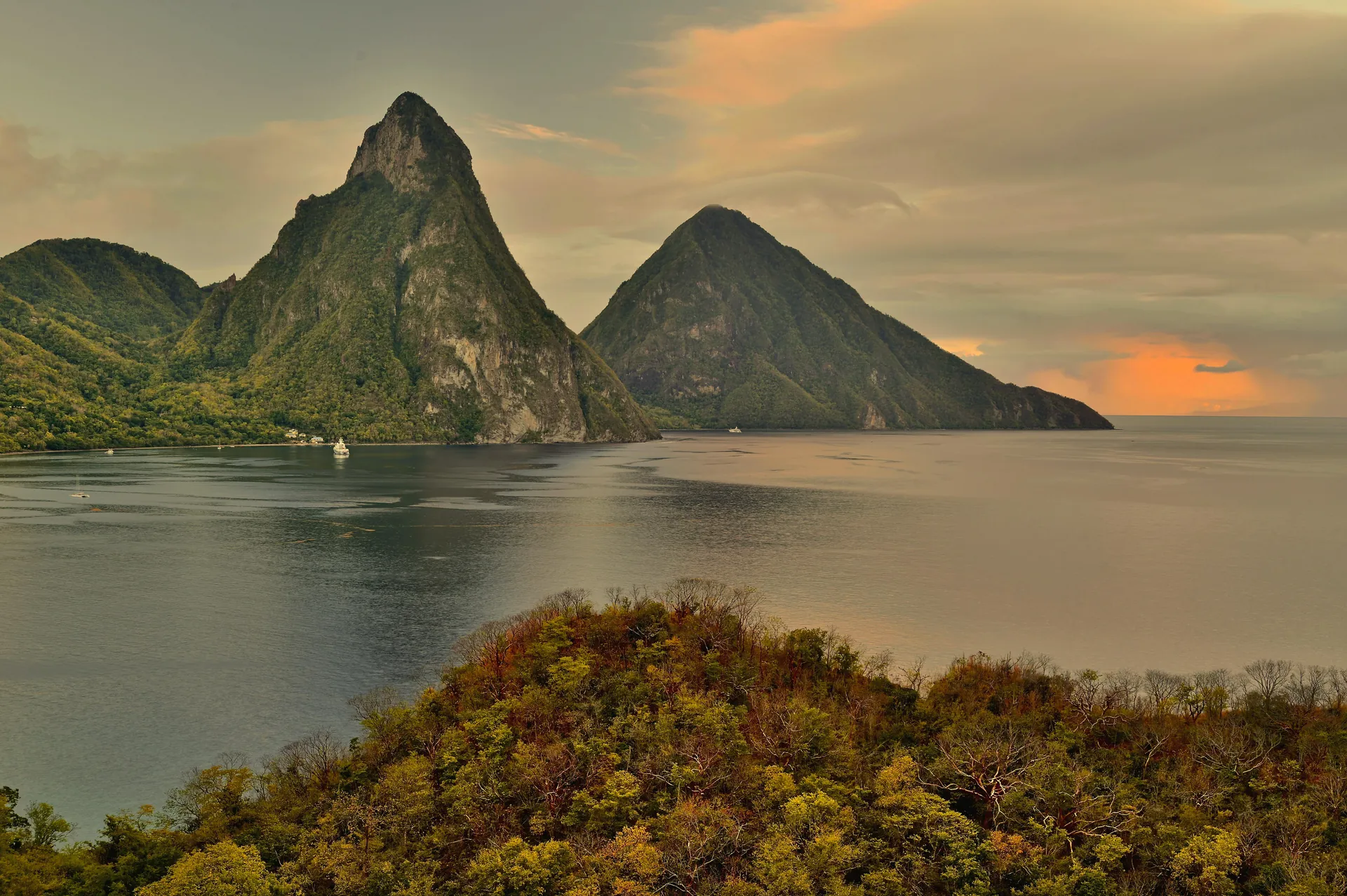
The Mighty Pitons
Gros Piton and Petit Piton are the iconic twin peaks that define the Soufrière landscape. As a gateway to these peaks, the town serves as the primary starting point for hiking expeditions and boat tours. While Gros Piton is the more popular hiking choice for those looking to reach the 798-meter summit, Petit Piton remains the dramatic backdrop for Piton Falls. The ecological preservation of this area is managed under strict conservation guidelines to protect rare flora, such as the Saint Lucia Pencil Cedar, found on the higher volcanic slopes.
- Gros Piton: 798 meters (2,619 feet) high; the standard hiking trail.
- Petit Piton: 743 meters (2,438 feet) high; steep and reserved for experienced climbers.
For those who prefer a less strenuous view, the Castries to Pitons Tour offers several scenic overlooks along the descent into the Soufrière valley. The most comprehensive perspective, however, is found at the Tet Paul Nature Trail. Located just outside the town, this trail reaches an elevation of approximately 300 meters (1,000 feet) and provides what locals call the “stairway to heaven” view, where both peaks align perfectly for photography.
Zaka Art Café & Local Craft
Cultural immersion in Soufrière extends beyond architecture into contemporary art. Zaka Art Café, located on the waterfront at Hummingbird Beach Park, has become a landmark for its hand-painted “Zaka Masks.” These masks are carved from recycled local wood (often reclaimed telephone poles) and painted in vibrant colors that reflect the island’s flora and fauna. The café serves as a community hub where visitors can interact with local artists while sampling St. Lucian coffee. It represents the town’s shift toward sustainable, art-based tourism that honors traditional craftsmanship.
Supporting these local businesses is a key part of the region’s economic ecosystem. By purchasing art directly from creators in Soufrière, visitors contribute to the preservation of local traditions that might otherwise be overshadowed by mass-produced souvenirs. The café’s setting within the park features various tropical plants and ocean views, offering a relaxed experience that complements the larger gardens found elsewhere in the district, such as the Diamond Botanical Gardens.
Planning Your Soufrière Day Trip
To make the most of your visit to the southwest, timing and logistics are key. The town’s jetty is a primary “tender” spot for smaller cruise ships; in 2025, visitors should expect significantly higher foot traffic when vessels are anchored in the bay (often Tuesdays, Fridays, and Sundays) or when day tours arrive from Castries. If your goal is a tranquil experience at the falls or the market, check the daily cruise schedule beforehand. Consult our Plan Your Visit guide for more detailed data on seasonal weather patterns and clothing recommendations for the volcanic terrain.
| Highlight | Optimal Timing | Primary Focus |
|---|---|---|
| Soufrière Market | Sat 07:00 – 11:00 | Spices, Cocoa, Nutmeg |
| Piton Falls | Mon-Fri 09:00 – 11:00 | Therapeutic Mineral Soak |
| Town Square | Daily 17:00 – 19:00 | Architecture & Waterfront |
| Malgretoute Beach | Daily 10:00 – 14:00 | Snorkeling at Petit Piton |
For dining, an authentic taste of the national dish—Green Fig and Saltfish—can be found at Fedo’s on New Development Road. It is a local favorite that has maintained its reputation for over a decade. Whether you are arriving via a private island tour or driving yourself from the north, understanding the town’s layout is essential. For official travel updates and government advisories, check the Saint Lucia Tourism Authority website before your departure.
Soufrière remains the gateway to the island’s most profound natural assets. From the historical depth of the 1746 French settlement to the 35°C mineral waters of Piton Falls, the town offers a dense concentration of experiences that define the Saint Lucian identity. Plan your route carefully, respect the local visitor guidelines, and allow the pace of the south to dictate your journey.